2026 Sponsored Symposia
Thursday, October 1, 2026
12:30 – 13:15
Room 2000AB
Hologic Symposium – The Modern Fibroid Toolkit: Guideline Based Care from Hysteroscopic Resection to Transcervical and Laparoscopic Ablation
Speaker: Darrien Rattray
Non-accredited session
Session details
Sponsored by:

Learning Objectives:
- Review key updates from the most recent SOGC guideline on uterine fibroid management and their implications for MIGS practice.
- Describe a minimally invasive continuum of care for symptomatic fibroids, from diagnosis and patient selection to uterine preserving procedural options.
- Differentiate treatment strategies based on fibroid type, size, and location, including submucosal, intramural, and transmural disease.
- Evaluate the role of hysteroscopic tissue removal using MyoSure for management of intrauterine fibroids within guideline supported treatment pathways.
- Assess transcervical and laparoscopic fibroid ablation technologies (Sonata and Acessa) and their role in treating fibroids not amenable to hysteroscopic management.
- Integrate multiple minimally invasive technologies into a patient centered treatment algorithm that preserves the uterus and expands surgical options for women with fibroids.
Friday, October 2, 2026
07:15 – 08:00
Room 206AB
Knight Therapeutics Breakfast Symposium – Medical Management of Fibroids and Adenomyosis: Where Do GnRH Antagonists Fit?
Moderator: Valérie To
Speaker: Cleve Ziegler
Non-accredited session
Session details
Sponsored by:

11:15 – 12:00
Room 206AB
AbbVie Symposium – The Right Conversation:
Shared Decision-Making in Endometriosis and Uterine Fibroids Care
Moderator: Liane Belland
Speaker: Caitlin Jago, Sarah Maheux-Lacroix
Non-accredited session
Session details
Sponsored by:

Faculty:
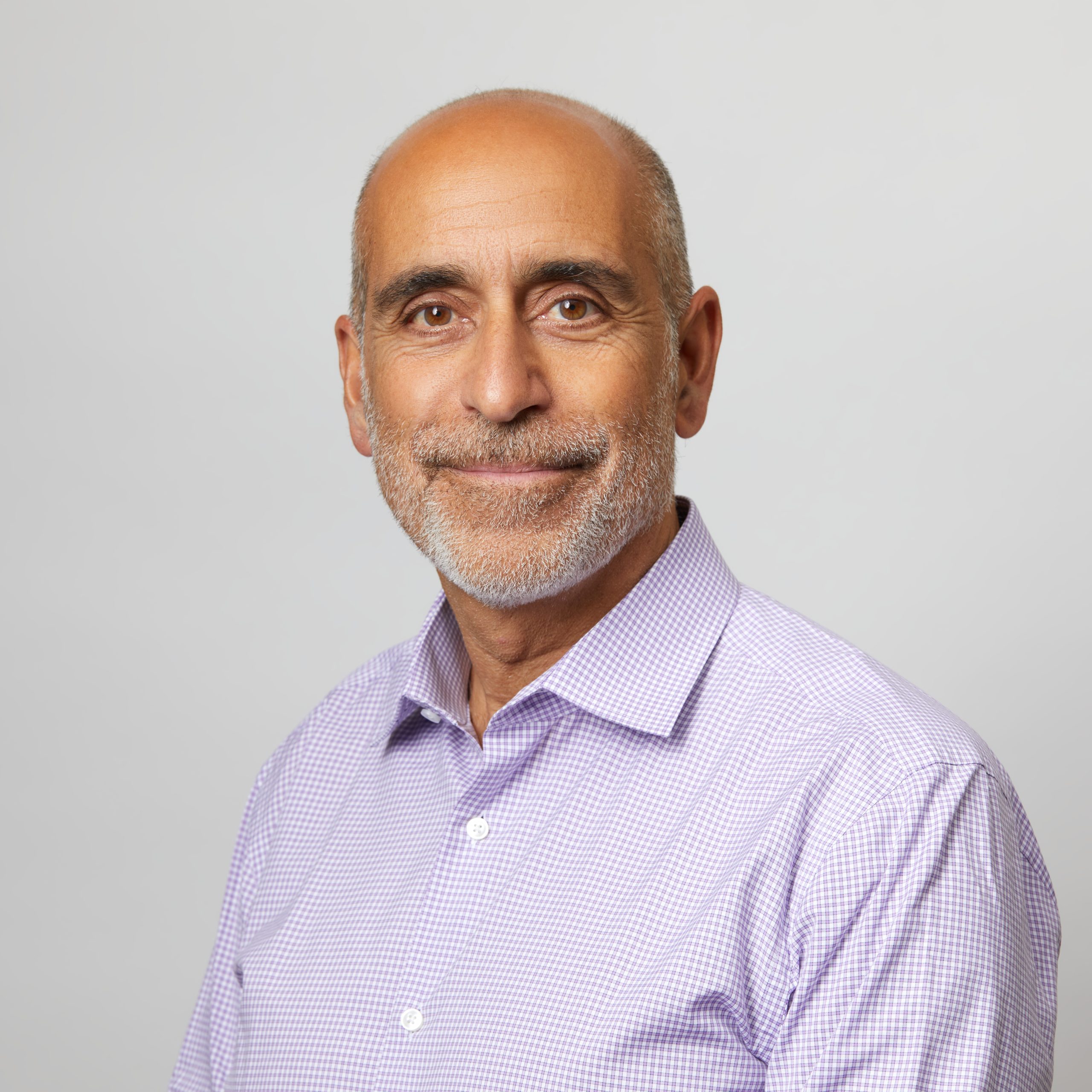
Caitlin Jago
MD, MSc, FRCSC
Obstetrician/Gynecologist, Rockyview General Hospital
Division of Minimally Invasive Gynecology, Department of OBGYN
Calgary Chronic Pain Centre, Pelvic Pain Program, Department of Anesthesiology
Clinical Assistant Professor, Cumming School of Medicine, University of Calgary
Calgary, AB
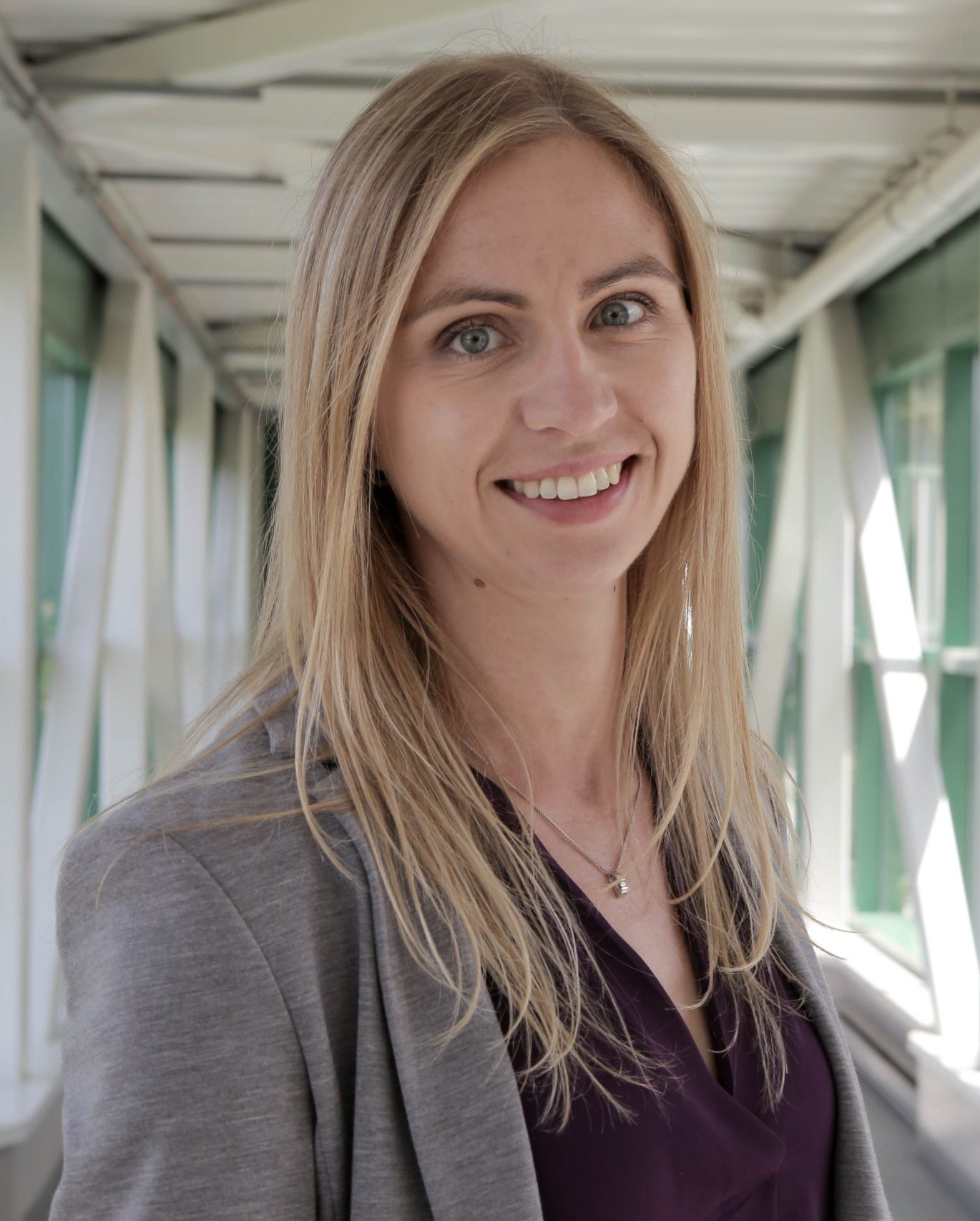
Sarah Maheux-Lacroix
MD, MSc, PhD, FRCSC
Gynecologist, Clinician-Investigator, Associate Professor
Fellowship Director, MIGS program
Department of Obstetrics and Gynecology, CHU de Québec, Université Laval
orcid.org/0000-0003-4187-3708
Québec, QC
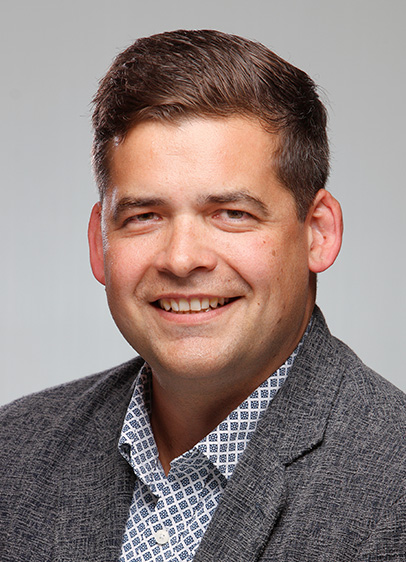
Liane Belland
MSc, MD, FRCSC
Advanced Minimally Invasive Gynecologic Surgeon (AMIGS), Bridgeland
Advanced Gynecology Fellowship Director, AMIGS
Clinical Assistant Professor, University of Calgary
Past President, Canadian Society for the Advancement of Gynecologic Excellence (CanSAGE)
Calgary, AB
Learning Objectives:
At the end of this presentation, participants will be better able to:
- Recognize the consequences of sub-optimal counseling for patients with endometriosis and uterine fibroids.
- Discuss individualized treatment options using SOGC recommendations and real-world perspectives.
- Apply shared decision-making to address patient concerns and support informed treatment decisions.
Saturday, October 3, 2026
12:00 – 12:45
Room 206AB
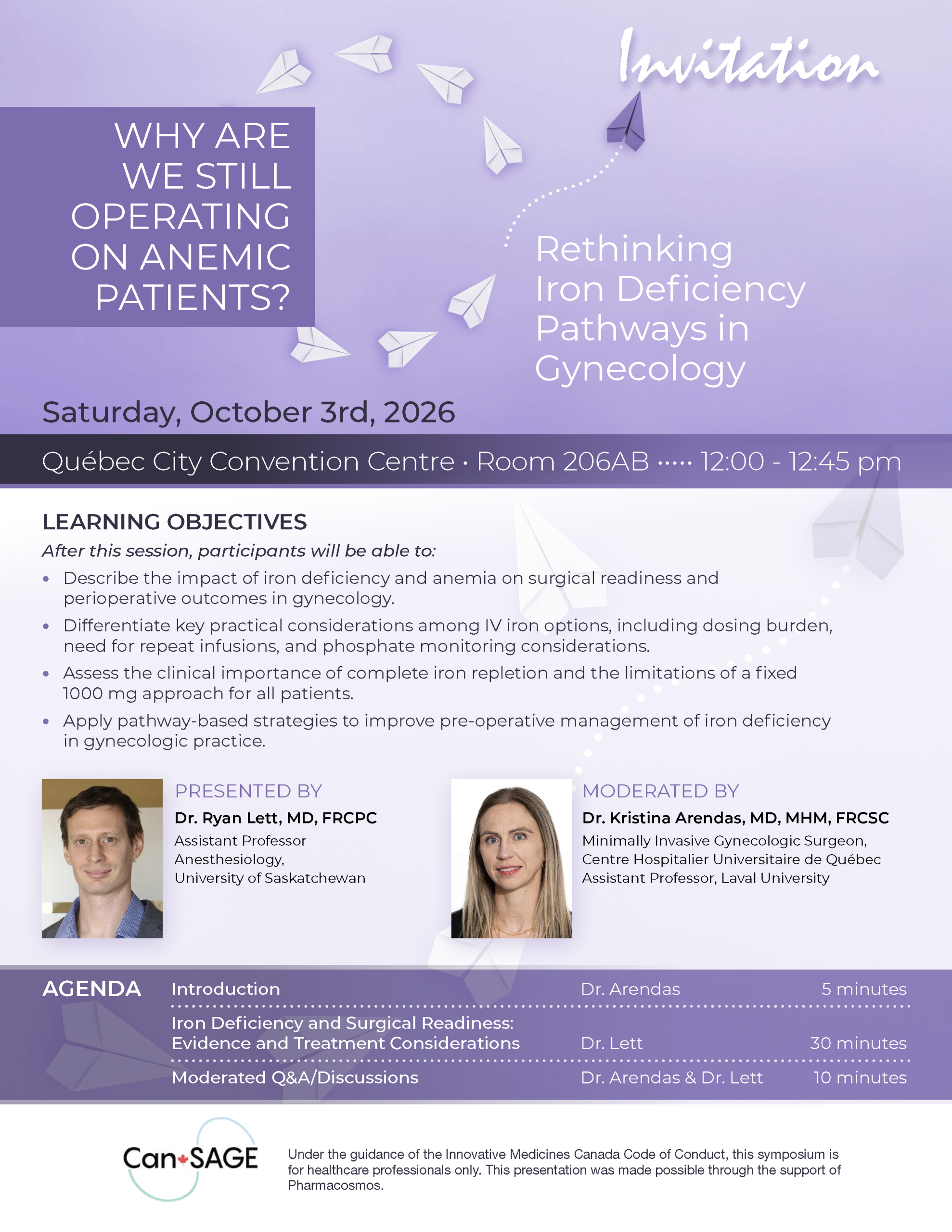
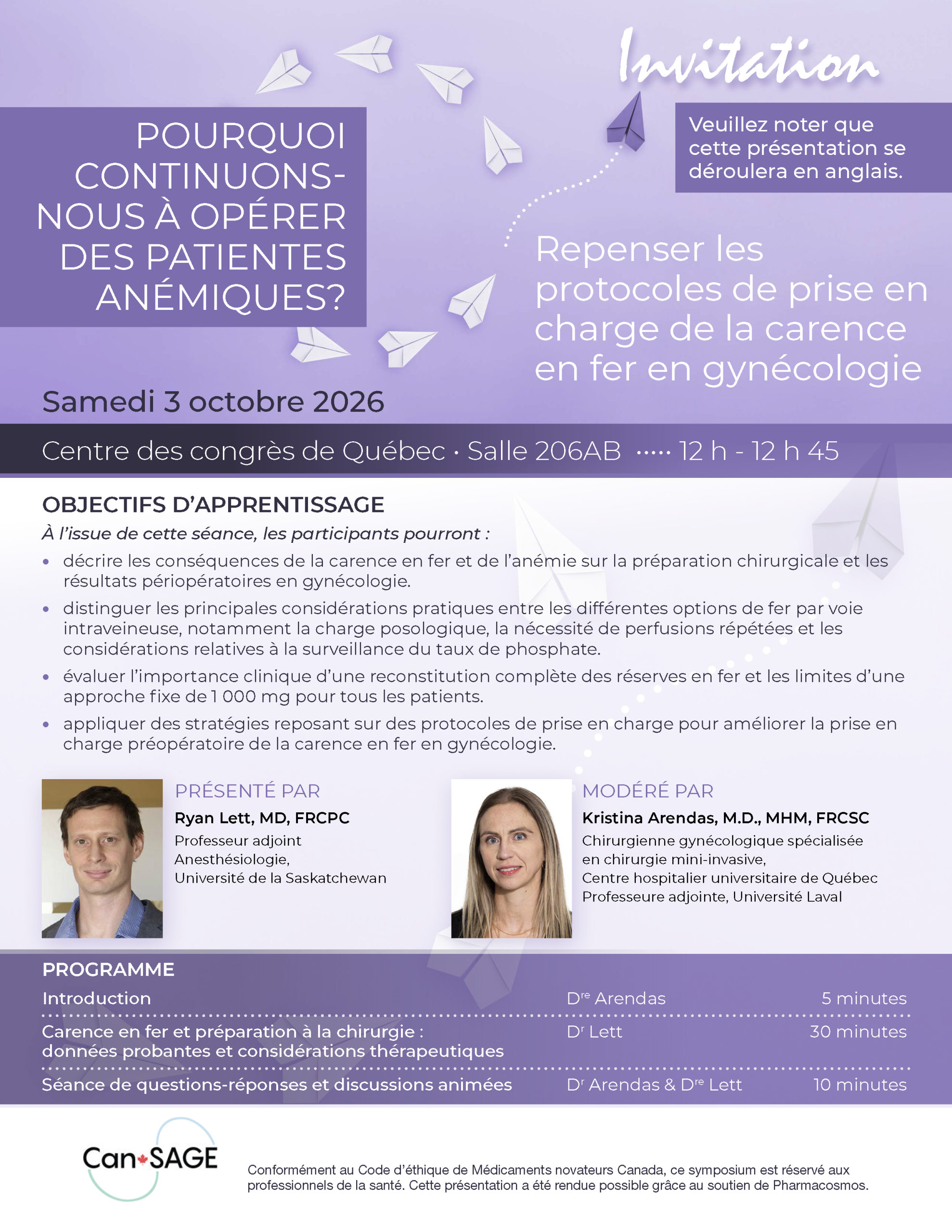
Pharmacosmos Canada Lunch Symposium – Why Are We Still Operating on Anaemic Patients? Rethinking Iron Deficiency Pathways in Gynaecology
Moderator: Kristina Arendas
Speaker: Ryan Lett
Non-accredited session
For healthcare professionals only
Session details
Sponsored by:

For healthcare professionals only.
Learning Objectives:
- Describe the impact of iron deficiency and anemia on surgical readiness and perioperative outcomes in gynecology.
- Differentiate key practical considerations among IV iron options, including dosing burden, need for repeat infusions, and phosphate monitoring considerations.
- Assess the clinical importance of complete iron repletion and the limitations of a fixed 1000 mg approach for all patients.
- Apply pathway-based strategies to improve pre-operative management of iron deficiency in gynecologic practice.
 |
 |